
Design optimisation (Single objective) (1 hr)
-
Intro
-
01 | Introduction
-
02 | Run a structural optimisation using the evolutionary solver in Galapagos
-
03 | Fine-tune the optimisation settings (design space resolution and optimisation end criteria)
-
04 | Perform a form-improvement using a high-dimensional design space
-
05 | Analyse the optimisation history and adjust the hyperparameters
-
06 | Run an acoustic optimisation process
-
07 | Record the optimisation history to rebuild the convergence graph and reinstate solutions
Information
| Primary software used | Grasshopper |
| Course | Design optimisation (Single objective) (1 hr) |
| Primary subject | AI & ML |
| Secondary subject | Optimization |
| Level | Intermediate |
| Last updated | September 21, 2026 |
| Keywords |
Responsible
| Teachers | |
| Faculty |
Design optimisation (Single objective) (1 hr) 0/7
Design optimisation (Single objective) (1 hr)
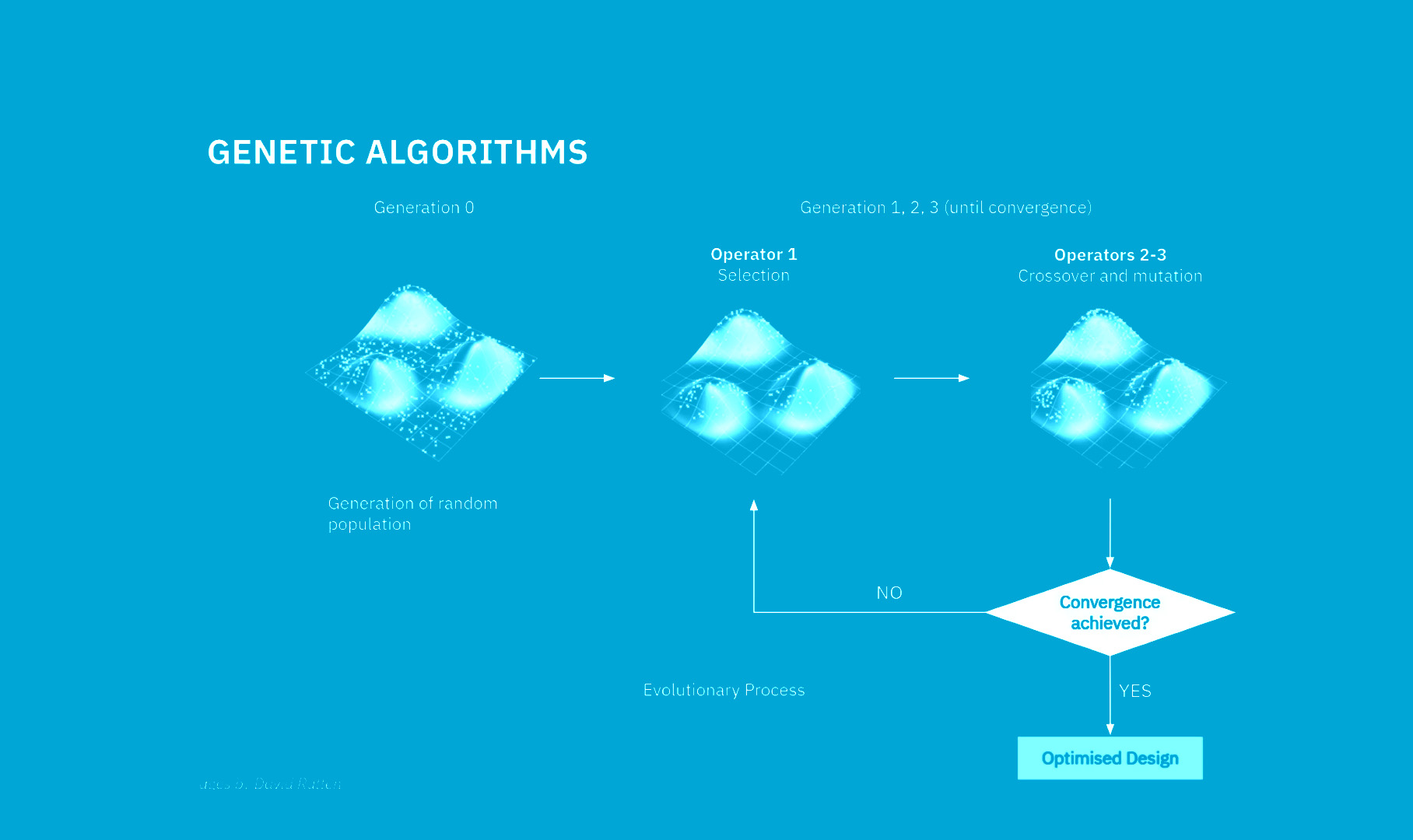
The goal of this assignment is to develop a clear and reproducible design optimisation strategy by leveraging Genetic Algorithms to automate the search for high-performing solutions within high-dimensional design spaces. The main goal is to understand how algorithmic iteration and multi-objective constraints can be used to progressively enhance one specific aspect of design performance—whether structural efficiency, acoustic quality, or another measurable criterion—rather than refining each design variation manually.
The tutorial uses Genetic Algorithms as the primary methodology and focuses on constructing an optimisation workflow through the definition of performance metrics, design constraints, and iterative refinement cycles. The resulting optimised design variations provide a foundation for later performance validation and comparative analysis exercises.
Tutorial Overview
Duration approx. 1 hr.
The tutorial progressively covers:
- 01 | Introduction
- 02 | Run a structural optimisation using the evolutionary solver in Galapagos
- 03 | Fine-tune the optimisation settings (design space resolution and optimisation end criteria)
- 04 | Perform a form-improvement using a high-dimensional design space
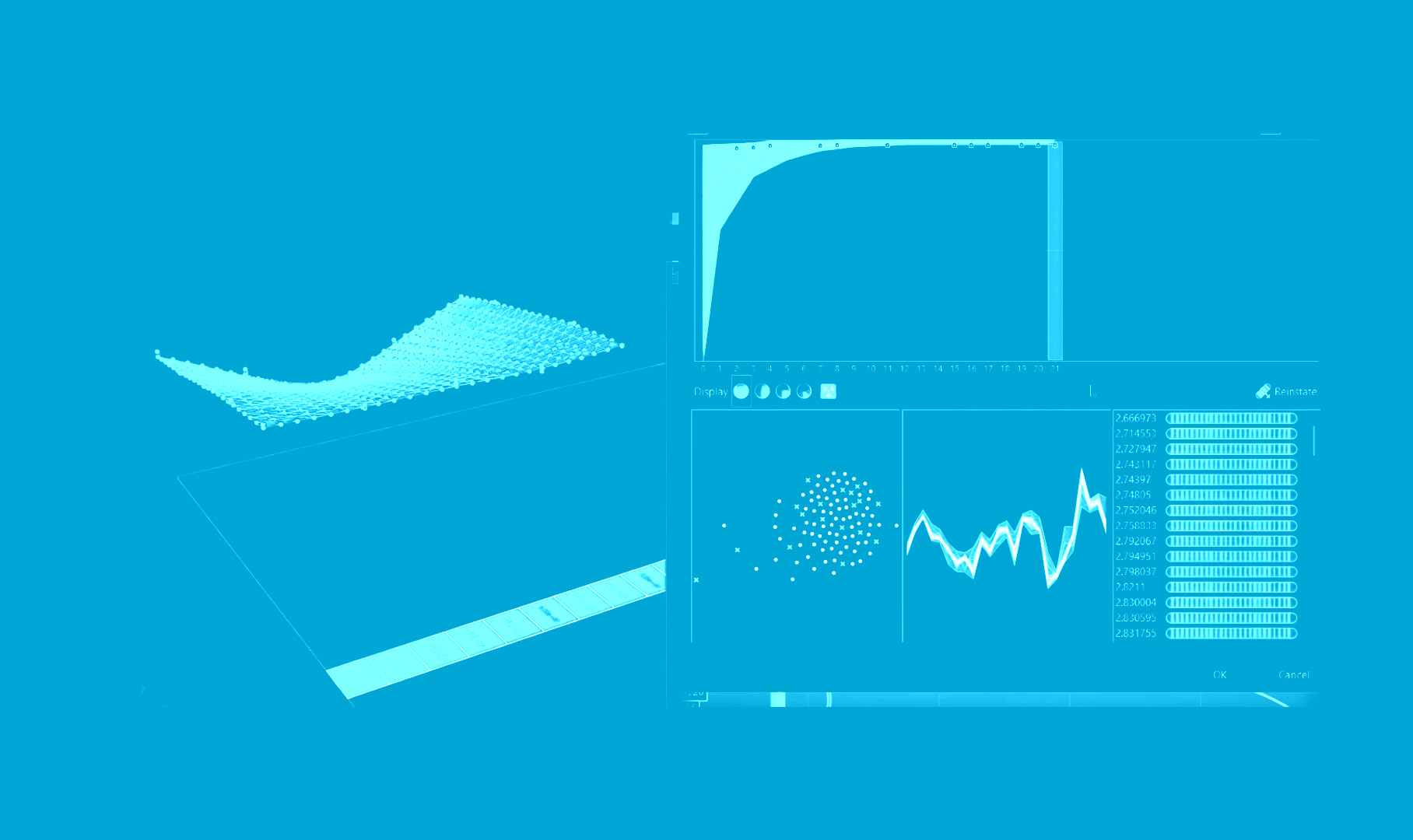
- 05 | Analyse the optimisation history and adjust the hyperparameters
- 06 | Run an acoustic optimisation process
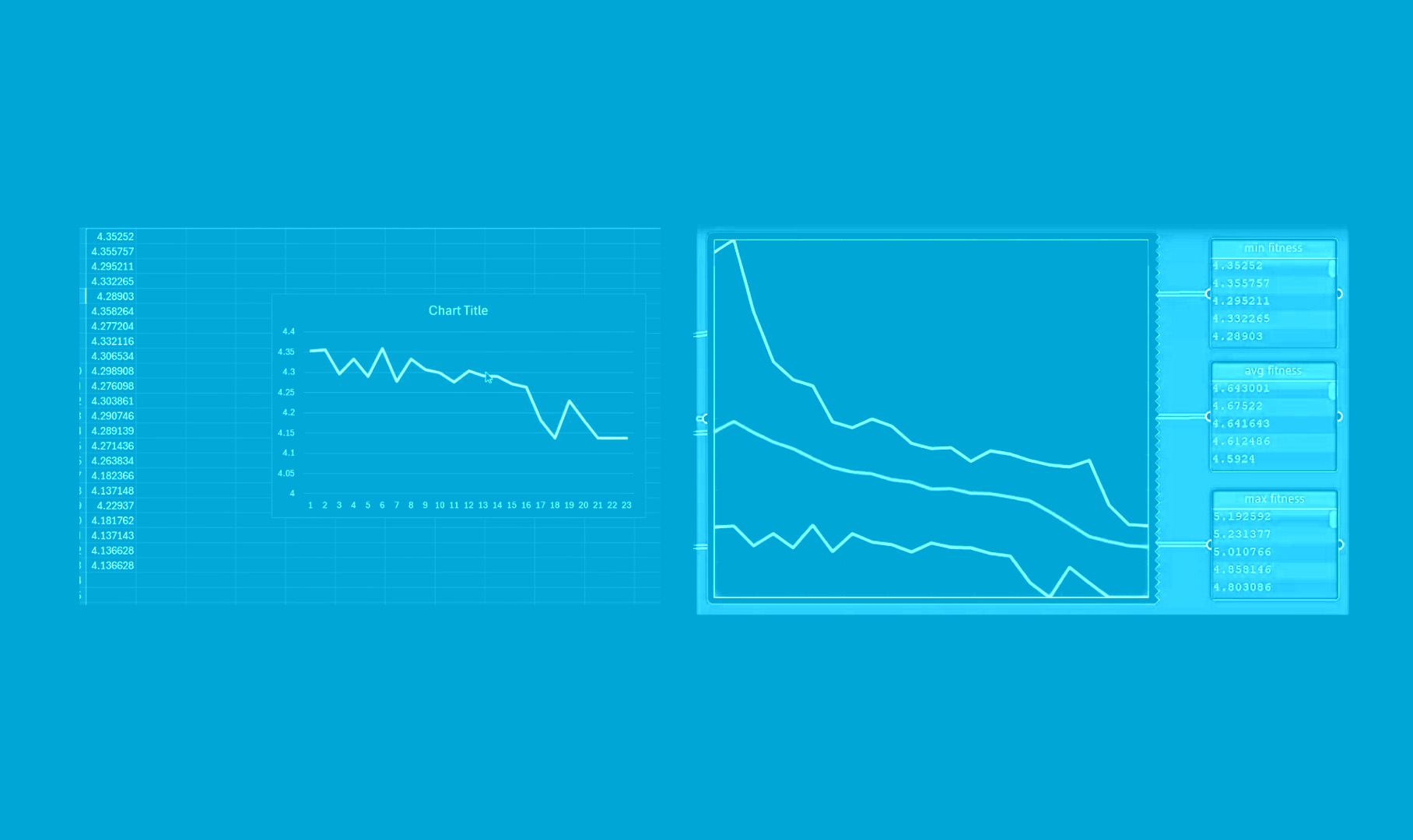
- 07 | Record the optimisation history to rebuild the convergence graph and reinstate solutions
Design optimisation (Single objective) (1 hr) 1/7
01 | Introduction
Design optimisation (Single objective) (1 hr) 2/7
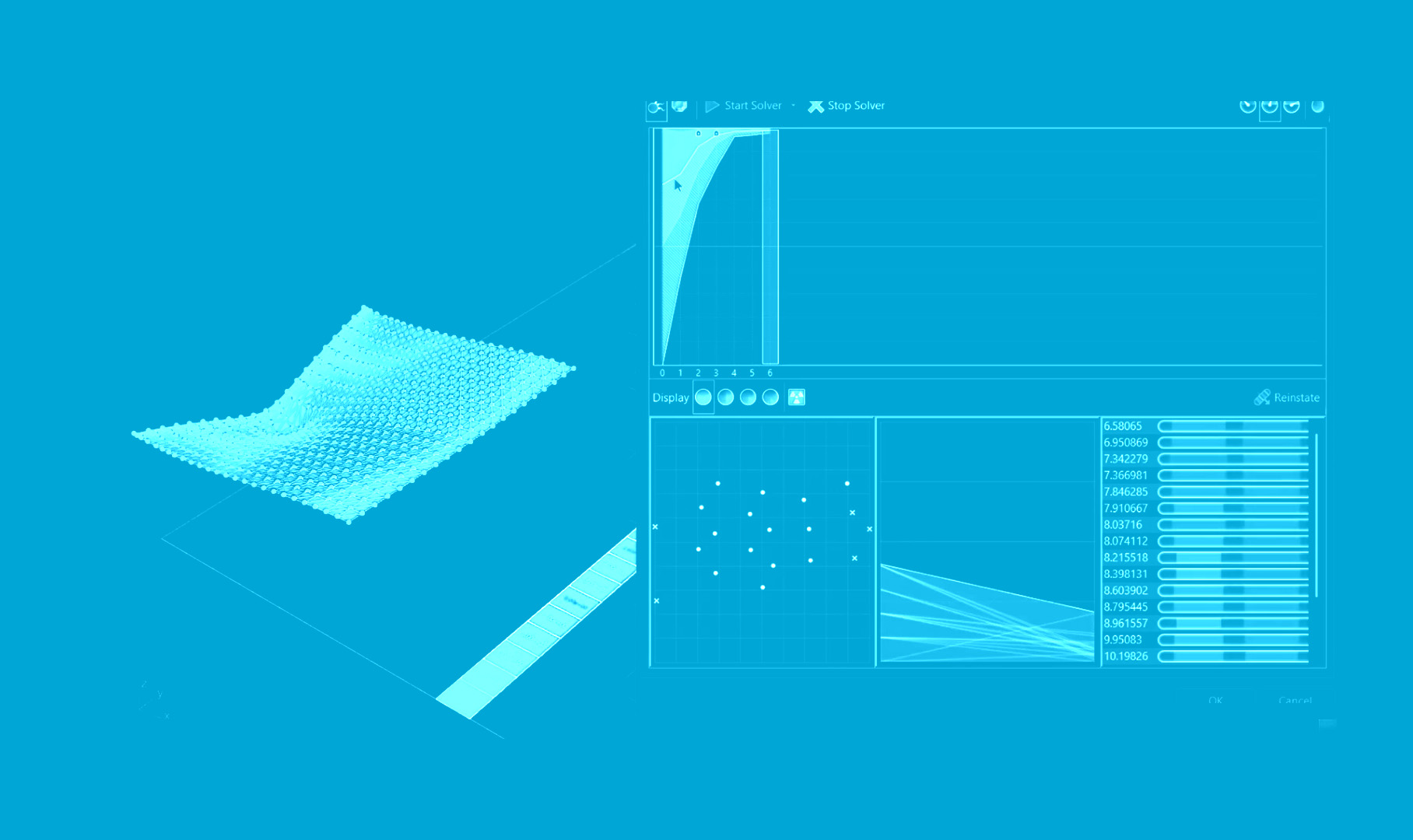
02 | Run a structural optimisation using the evolutionary solver in Galapagos
Design optimisation (Single objective) (1 hr) 3/7
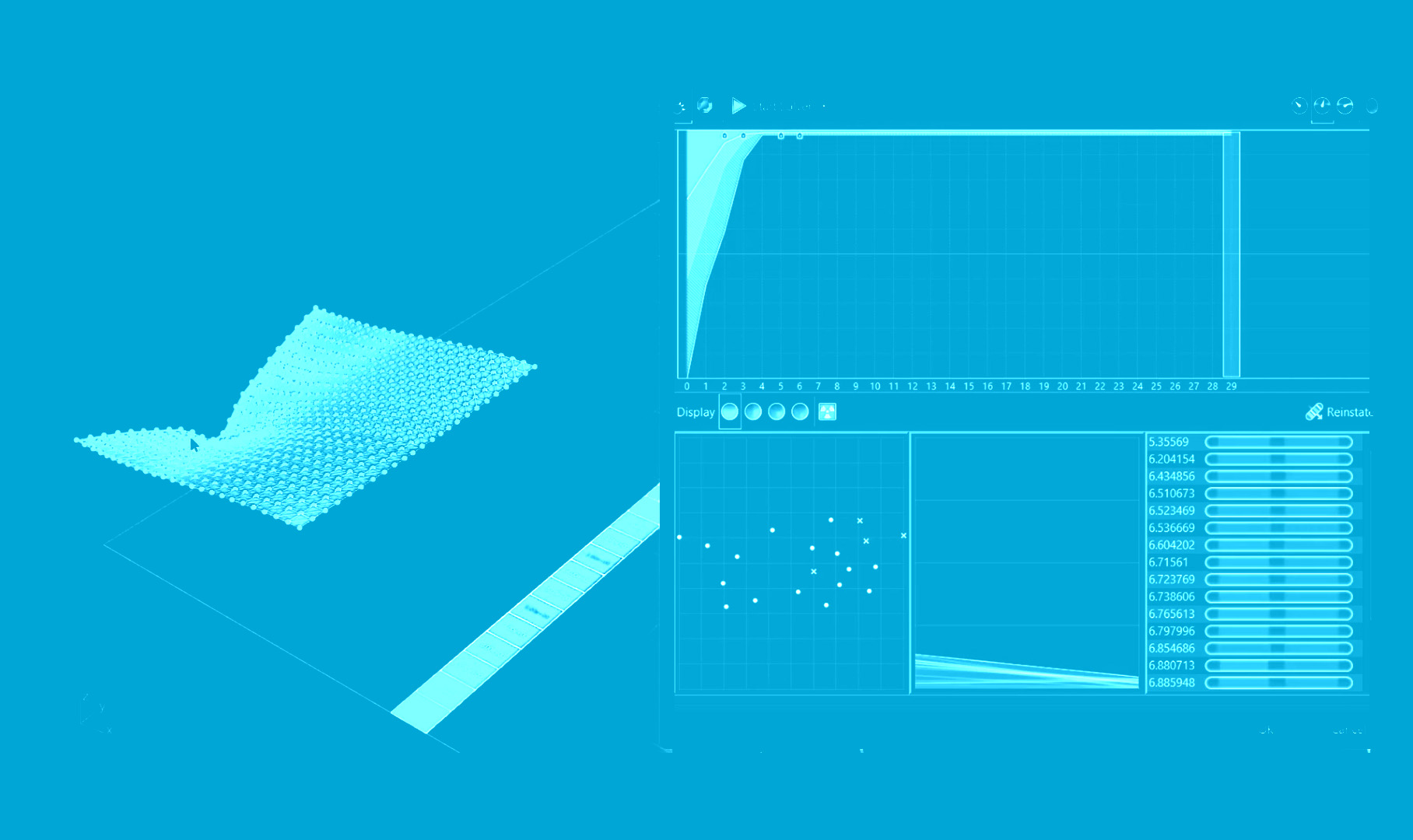
03 | Fine-tune the optimisation settings (design space resolution and optimisation end criteria)
Design optimisation (Single objective) (1 hr) 4/7
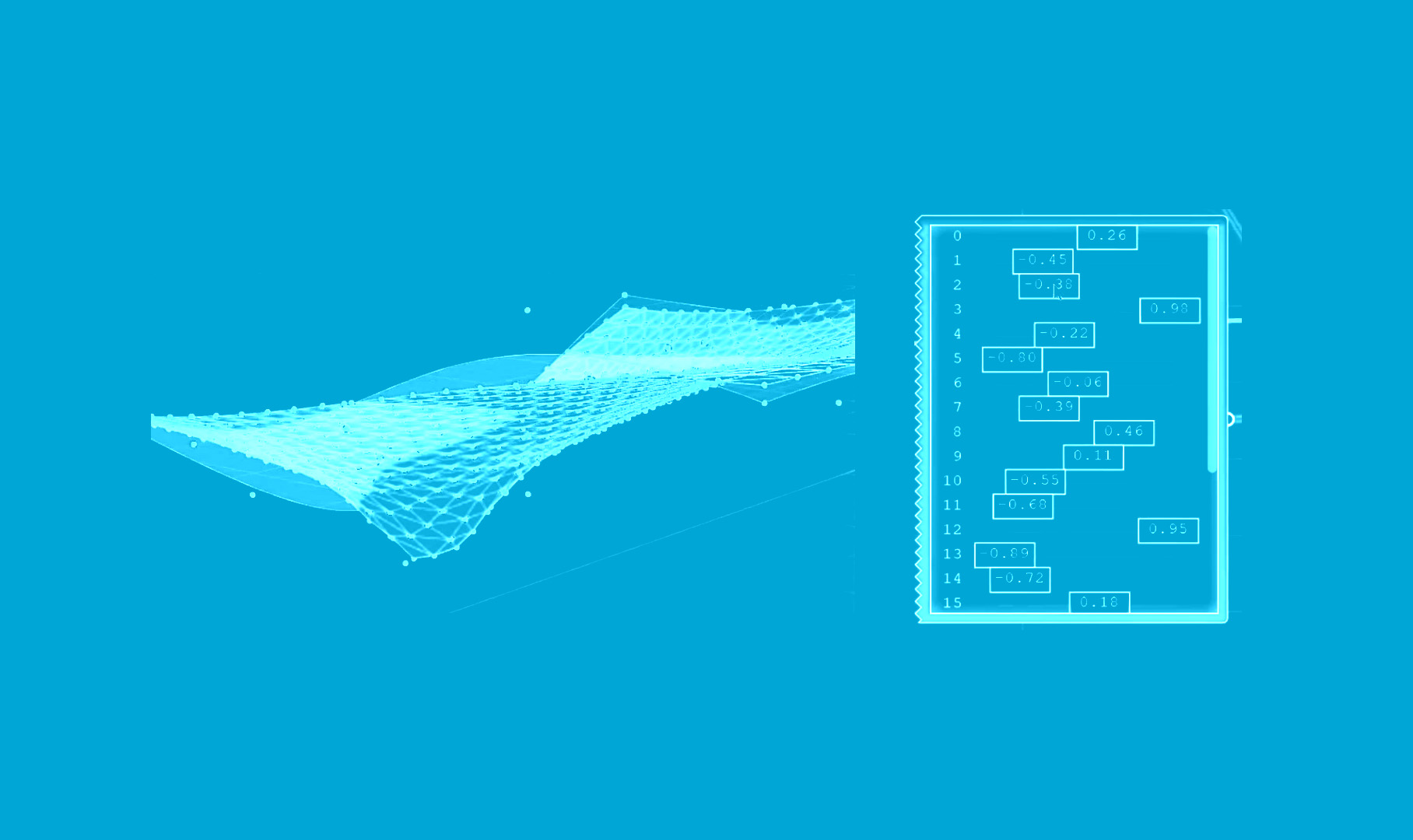
04 | Perform a form-improvement using a high-dimensional design space
Design optimisation (Single objective) (1 hr) 5/7
05 | Analyse the optimisation history and adjust the hyperparameters
Design optimisation (Single objective) (1 hr) 6/7
06 | Run an acoustic optimisation process

Design optimisation (Single objective) (1 hr) 7/7
07 | Record the optimisation history to rebuild the convergence graph and reinstate solutions
Write your feedback.
Write your feedback on "Design optimisation (Single objective) (1 hr)"".
If you're providing a specific feedback to a part of the chapter, mention which part (text, image, or video) that you have specific feedback for."Thank your for your feedback.
Your feedback has been submitted successfully and is now awaiting review. We appreciate your input and will ensure it aligns with our guidelines before it’s published.